This site uses cookies to deliver a better site experience. View our Privacy Policy
About
Fondation Team
Victor "Trey" Trahan III
Founder and President
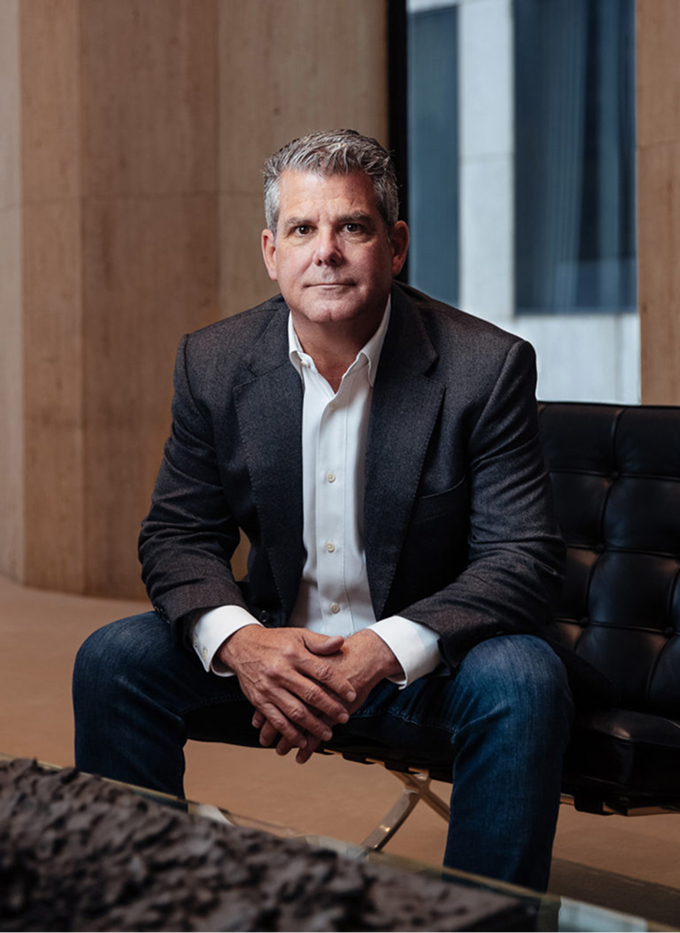
Victor F. “Trey” Trahan III, FAIA, is the Founder and President of Fondation Trahan and Founder and CEO of Trahan Architects. Internationally recognized for work that pairs technological innovation with quiet, material beauty, he has long taken a rooted approach to architecture, beginning every project by studying the soil, ecology, history, and culture of place. Over time, this practice led him to a simple conviction: if our buildings are to be truly humane, we must care for the lands, stories, and objects that surround them with the same rigor and humility that we bring to design. Fondation Trahan emerges directly from this belief.
A devoted collector, particularly of Japanese ceramics, metalwork, lacquer, and textiles, Trey is drawn to objects shaped by the hand, by chance, and by time – tea bowls and bronze vessels whose patina records centuries of touch, whose apparent simplicity conceals great depth. Fondation Trahan was created, in part, to honor and share these objects responsibly: lending them to museums, supporting research, and presenting them in contexts where their quiet presence can invite reflection on the cultures, beliefs, and ecologies from which they emerge.
Equally central is Trey’s commitment to land, history, and ecological repair. As steward of conservation properties in St. Francisville, Louisiana, and southern Chile, he convenes historians, ecologists, Indigenous knowledge holders, descendants, and other experts to study how human occupation and ecologies are intertwined and how damaged landscapes can begin to heal. At Live Oak, a former plantation, this has meant engaging directly with the legacies of enslavement while restoring native prairies, woodlands, and waterways. Through Fondation Trahan, Trey seeks to ensure that such places and the artworks in his care become living laboratories for reconciliation: spaces where soil, art, and story come together to help people imagine more compassionate, ecologically attuned futures and to accept their shared responsibility to the lands they inhabit.
Sarah Bordy
Vice President of Philanthropy
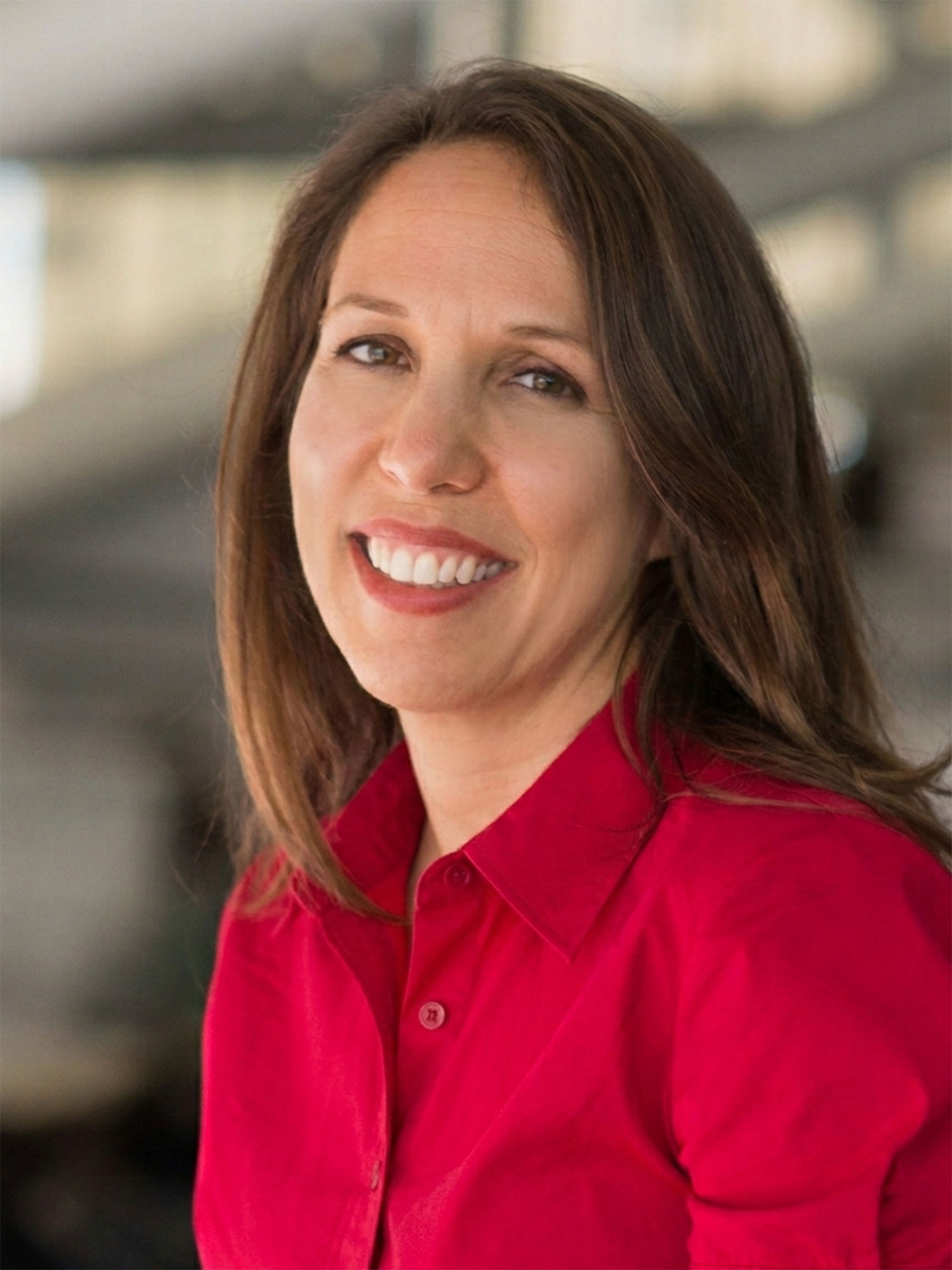
Sarah Bordy has served as Vice President of Philanthropy for Fondation Trahan since October 2024, guiding the foundation’s strategic growth in support of its cultural and conservation initiatives. Trained in art history and nonprofit management, her career has been shaped by sustained engagement with museums and institutions dedicated to the stewardship of art, design, and ideas. Over more than two decades, she has led complex fundraising initiatives for cultural and educational organizations, building enduring partnerships and securing transformational support at the national and international level. Her work reflects a belief that institutions carry both creative and civic responsibility—preserving cultural memory while investing in the conditions that allow communities to thrive.
Her leadership roles at the Harvard Graduate School of Design and Columbia Graduate School of Architecture, Planning and Preservation strengthened her commitment to the thoughtful integration of architecture, landscape, and human experience. Later, as Chief Advancement Officer of Discovery Place, she led the campaign to build a new nature museum, reinforcing her belief that cultural institutions can awaken awareness that moves from insight to action, strengthening collective responsibility for the ecosystems upon which human life depends. At Fondation Trahan, she brings together her experience in art, architecture, and philanthropy to advance a vision of careful stewardship – supporting work that honors legacy while fostering a future in which human communities and the natural world flourish together.
Next Bio
Victor "Trey" Trahan IIINext Bio
Sarah Bordy