Arts of Japan
Arts of Japan
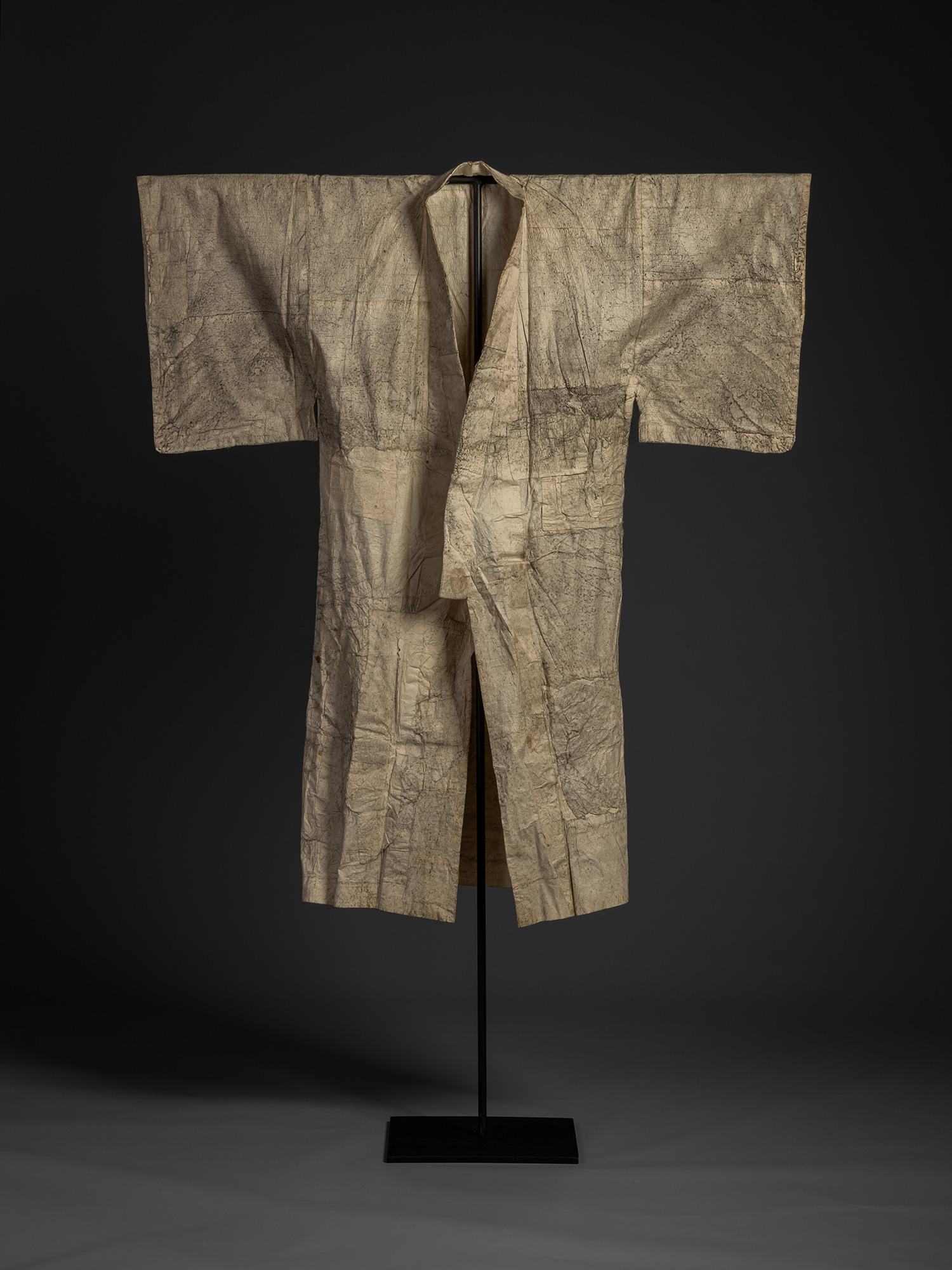
The Trahan Collection presents five centuries of Japanese artists transforming soil, metal, lacquer, and fiber into lasting form. While the artworks represent a wide range of media, artistic approaches, and visual languages, they are united by the artists’ intimate understanding of their materials.
Drawing upon generations of technical knowledge, regional traditions, and cultural practices, these artists continually explore new possibilities through experimentation with process and form. Throughout the collection, material is understood not merely as a medium, but as a source of inquiry, discovery, and artistic possibility.
Managed by Fondation Trahan, the collection is actively researched, documented, exhibited, and lent to museums and cultural institutions. It serves as a resource for scholarship and public engagement, advancing understanding of Japanese artistic practice and the enduring relevance of material knowledge in the contemporary world.
Fondation Trahan is committed to advancing public access to our internationally recognized collection by lending artworks to accredited museums and galleries around the world. The Foundation collaborates with exhibiting venues to share works that illuminate pivotal histories of material, form, and cultural exchange. By making these works available for loan, the Foundation supports exhibitions and research that spark creativity, promotes cross-cultural and understanding, broadens visibility of the artists in our collection, and offers fresh insight to the fields in which we collect.
To ensure meaningful presentation, all loan requests must be submitted at least three months prior to an exhibition’s opening. Institutions are invited to begin the process through the online request form.
To request permission to reproduce or obtain images held by Fondation Trahan, please complete the request form. Image usage is reviewed on a case-by-case basis and subject to approval.