This site uses cookies to deliver a better site experience. View our Privacy Policy
RAKU Keinyū XI
b 1817 - d. 1902, Japan
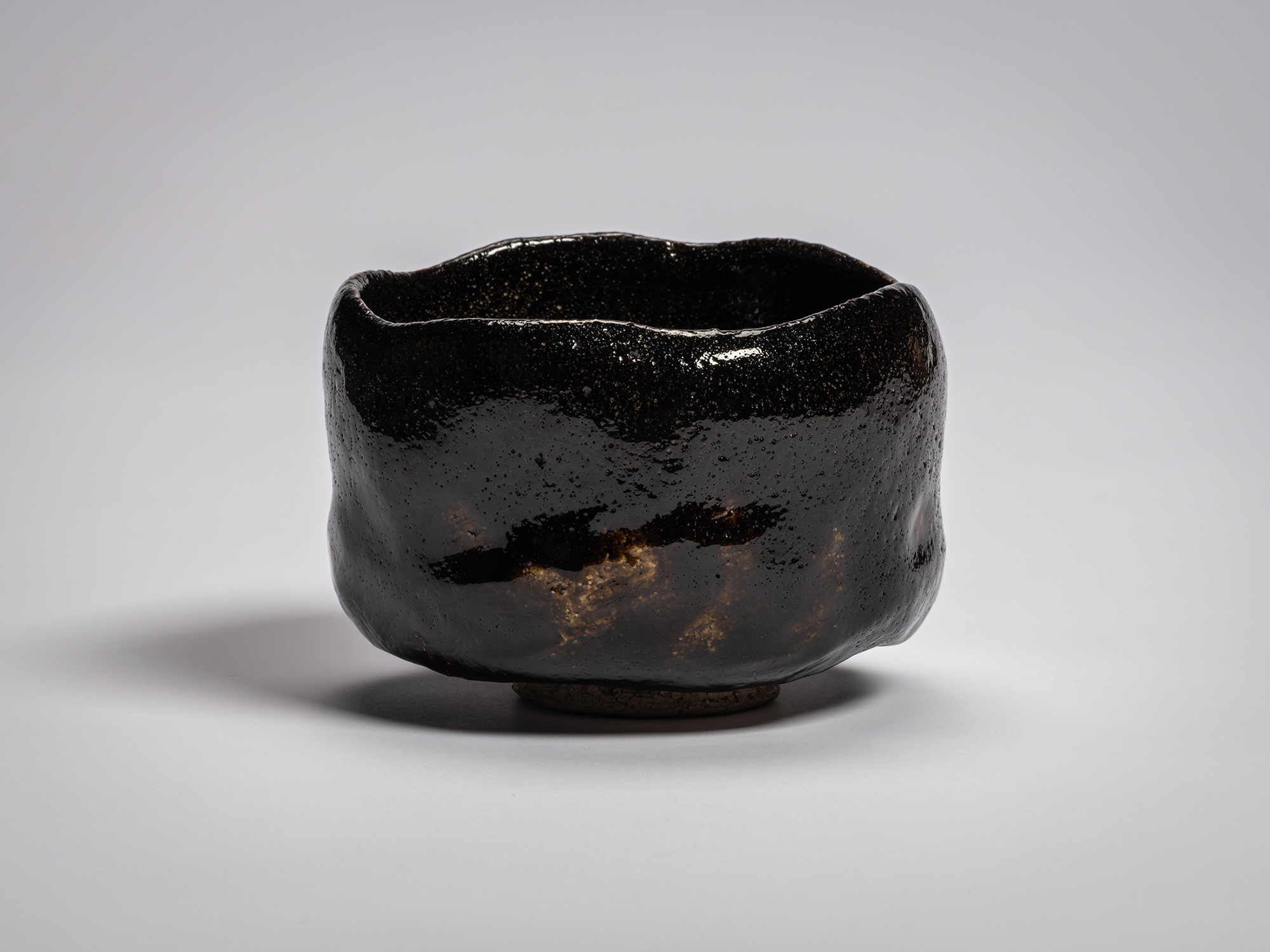
Raku Keinyū XI (1817–1902) was the eleventh-generation head of the Raku family and one of its most versatile masters. Born the second son of Ogawa Naohachi, a sake brewer from Tanba (present-day Kameoka, Kyoto), he was adopted into the Raku family after marrying Myōkoku, daughter of Raku Tannyū X. He succeeded as Kichizaemon in 1845 at the age of twenty-nine and retired in 1871, thereafter taking the name Keinyū.
Keinyū lived through the turbulent transition from the late Edo period to the early Meiji era, a time when Westernization led to the decline of traditional tea culture. Despite these challenges, he sustained over seventy years of ceramic production, second only to Raku Ryōnyū IX. Exceptionally erudite, he was deeply versed in waka poetry, calligraphy, Zen Buddhism, and the tea ceremony, receiving the highest title of Kaiden (full mastery). Throughout his life, Keinyū regularly changed his seals, allowing his works to be broadly dated by period and reflecting both personal development and historical circumstance. His ceramics range from refined, compact tea bowls to utensils, decorative works, and regional wares such as Hagi, marked by poetic sensibility, technical sophistication, and stylistic balance.
Work by Artist