This site uses cookies to deliver a better site experience. View our Privacy Policy
RAKU Dōnyū III
b. 1599 - d. 1656
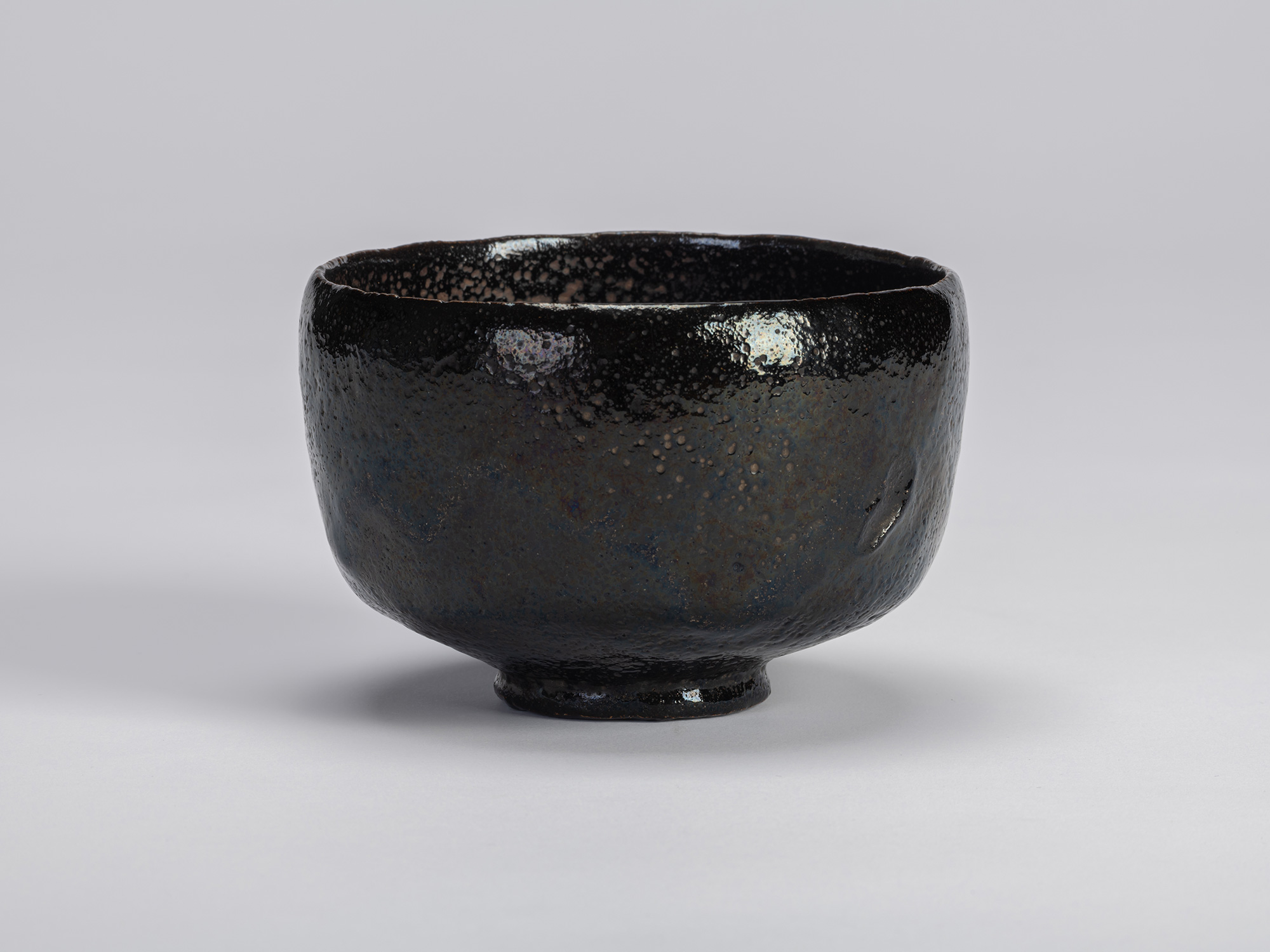
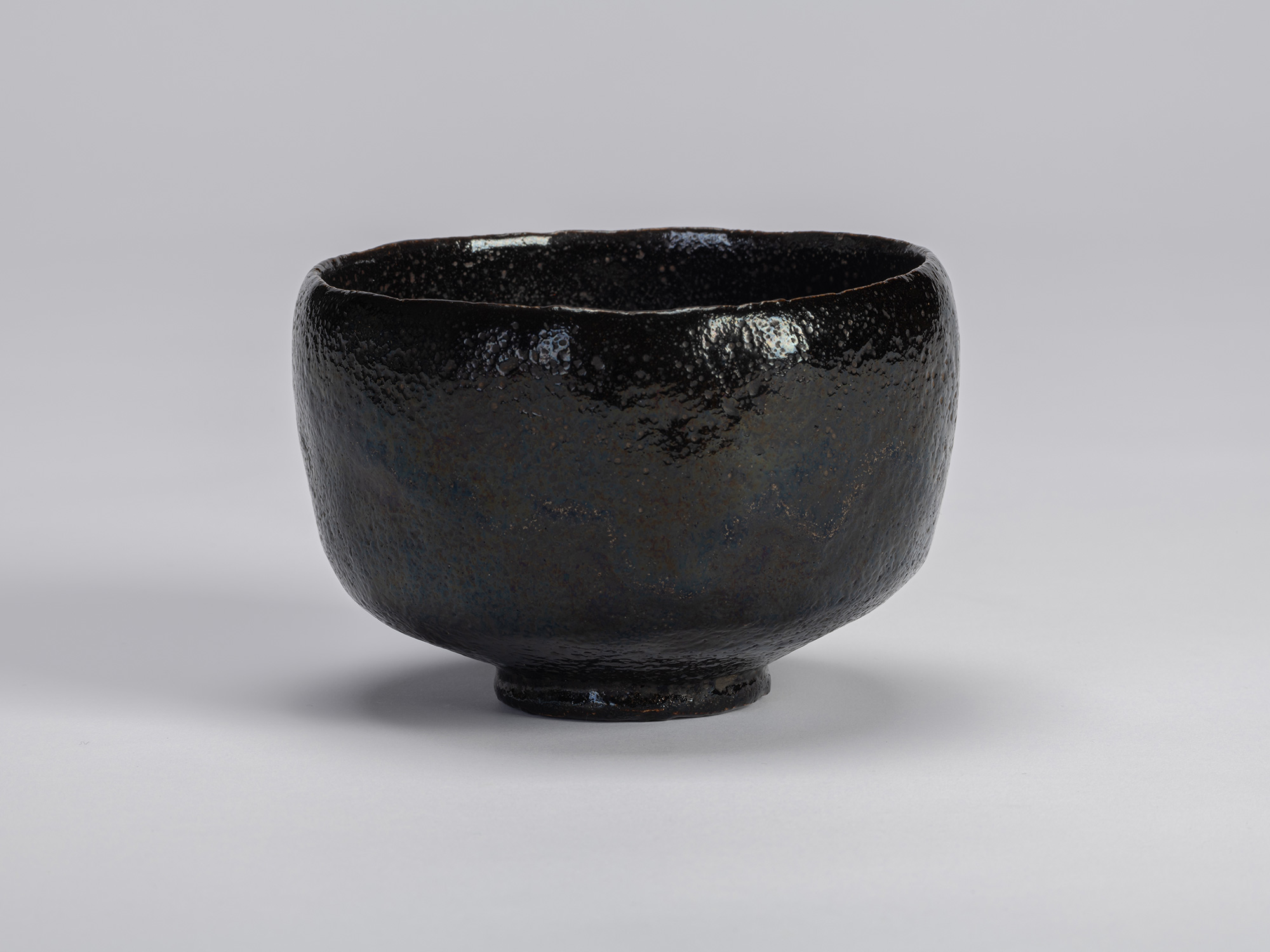
Active during the early Edo period’s culturally prosperous Kan’ei era, Raku III Dōnyū (eldest son of Jōkei) shifted Raku ware away from the conceptual, meditative depth of Chōjirō toward a highly expressive, modern aesthetic.
This innovative spirit was forged through a close relationship with the iconic artist Hon’ami Kōetsu. At just sixteen years old, Dōnyū became involved with Kōetsu around the time the master established Kōetsu-mura. Firing Kōetsu’s highly individualistic black Raku bowls at the Raku kiln deeply influenced Dōnyū, inspiring him to embrace personal artistic expression over strict adherence to earlier tea ideals.
Consequently, Dōnyū made major contributions to the style’s development, crafting vessels defined by lightness, brightness, and a refined flamboyance. His work is celebrated for its distinctive, lustrous glaze techniques, including the creation of dynamic new black glazes. His signature innovations include Jakatsu-gusuri (a black glaze mixed with white) and Shugusuri (a black glaze mottled with red), cementing his legacy as one of the lineage’s most innovative masters.
Work by Artist